The Great Migration
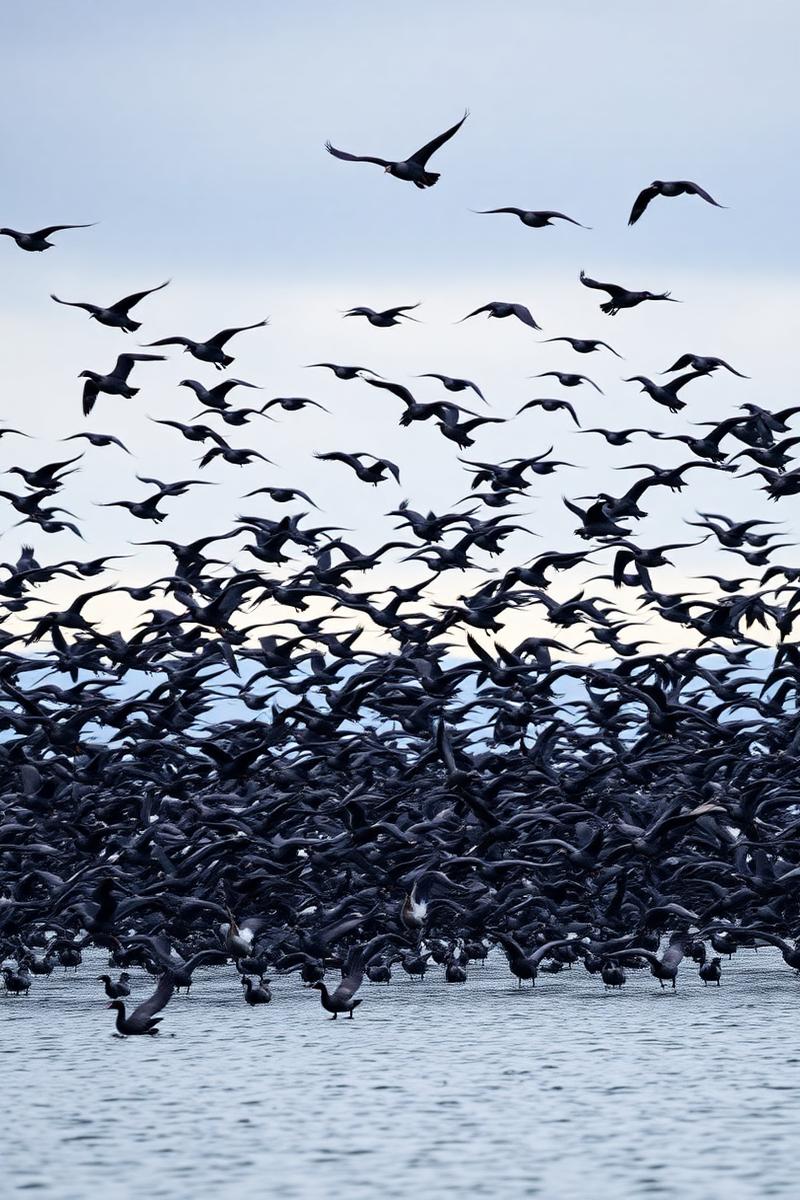
Each fall, more than 150,000 Pacific brant gather here, joined by emperor geese, cackling geese, and tundra swans in numbers that obscure the sky.
Gateway to the Edge of the World
The last truly wild place. Not crowded Alaska. Rare Alaska.
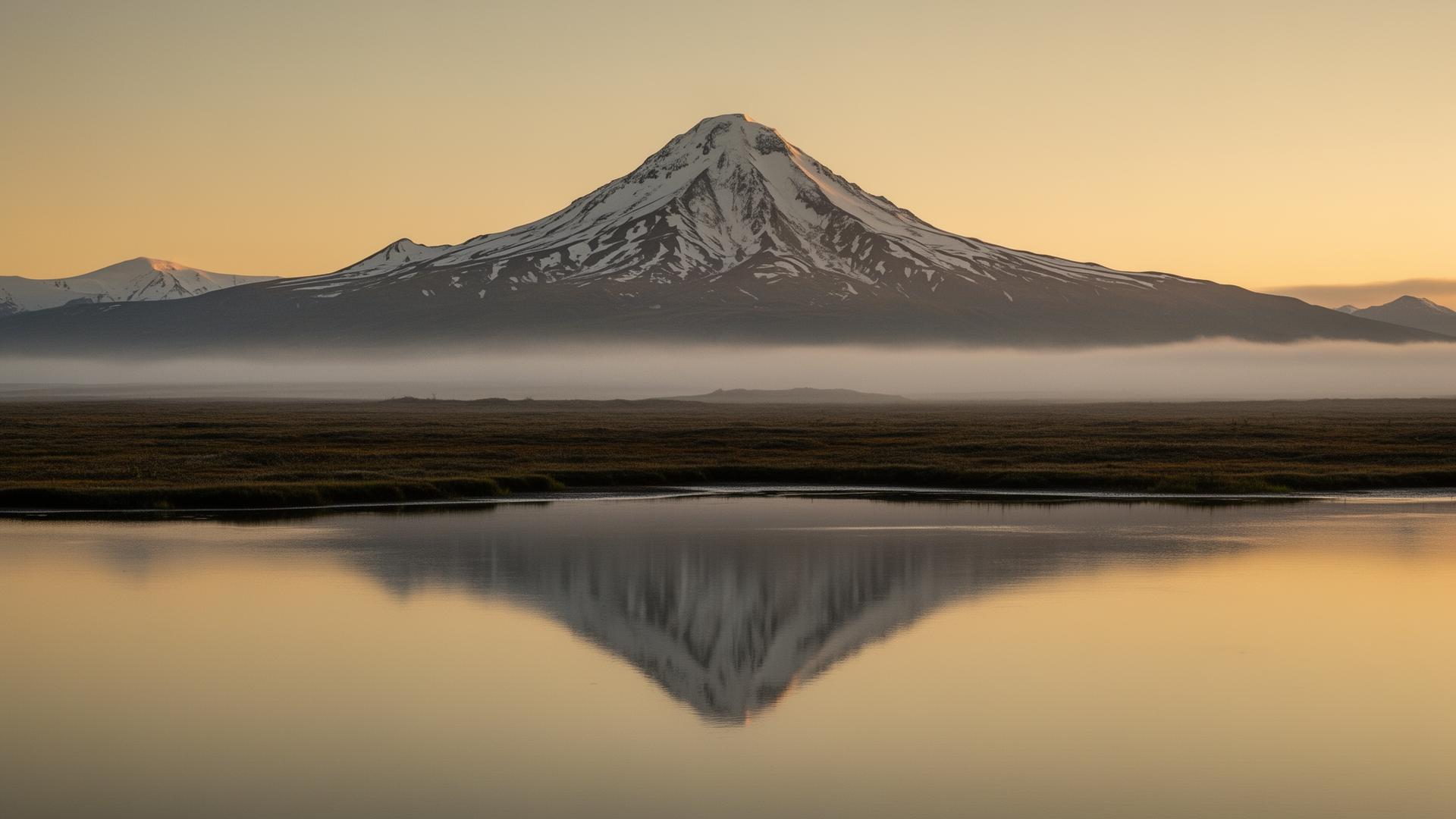
Izembek National Wildlife Refuge is 310,000 acres of undisturbed tundra, volcanic peaks, and eelgrass wetlands at the tip of the Alaska Peninsula. This is where the pavement ends and the wild begins. Most will never see it. You are not a visitor; you are a witness.
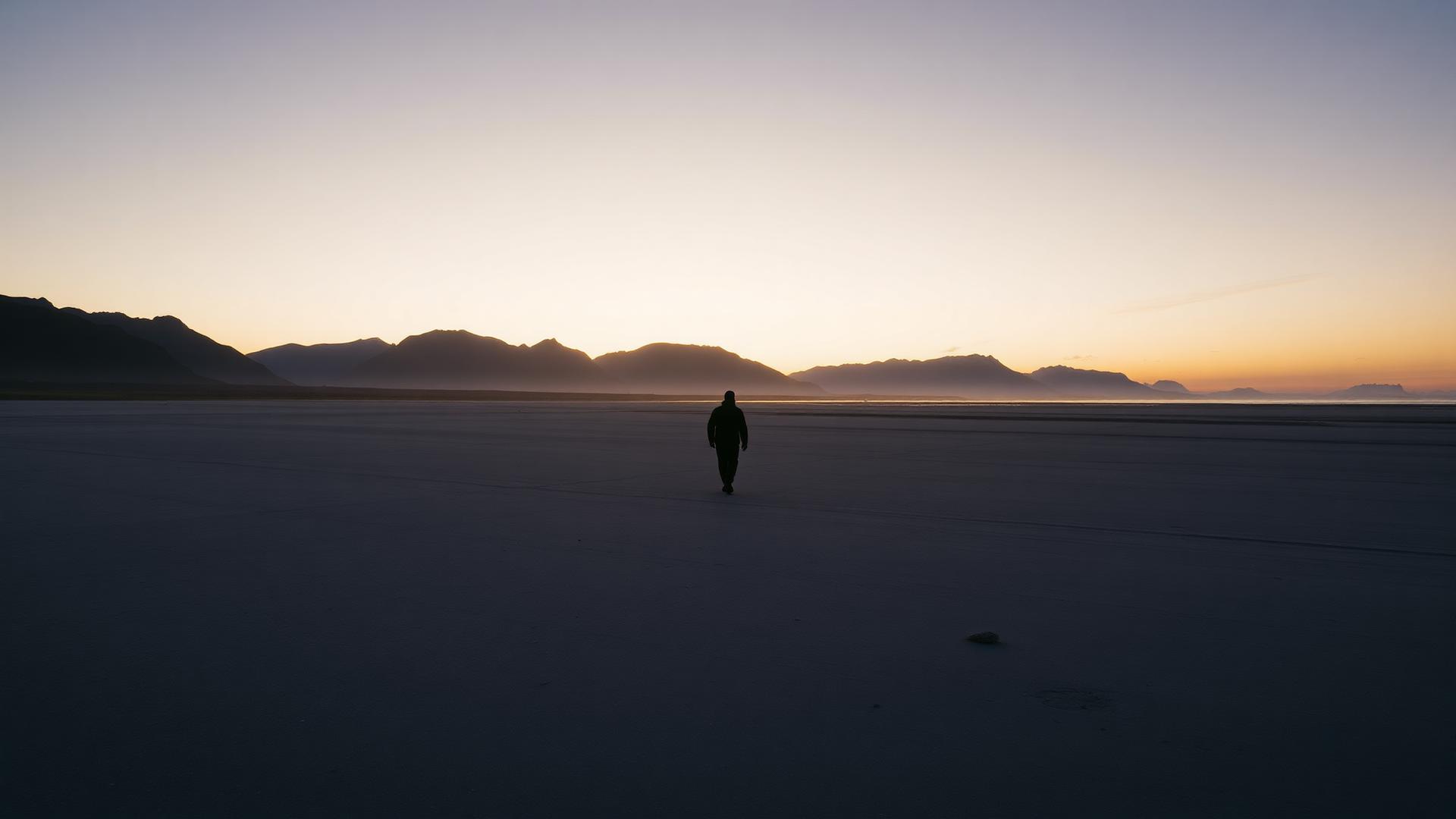
Reached only by small plane or the Alaska Marine Highway ferry, Cold Bay is a town of fewer than a hundred people, a single runway, and a horizon that does not end.
140+
Migratory Species
310k
Acres of Refuge
97%
Wilderness
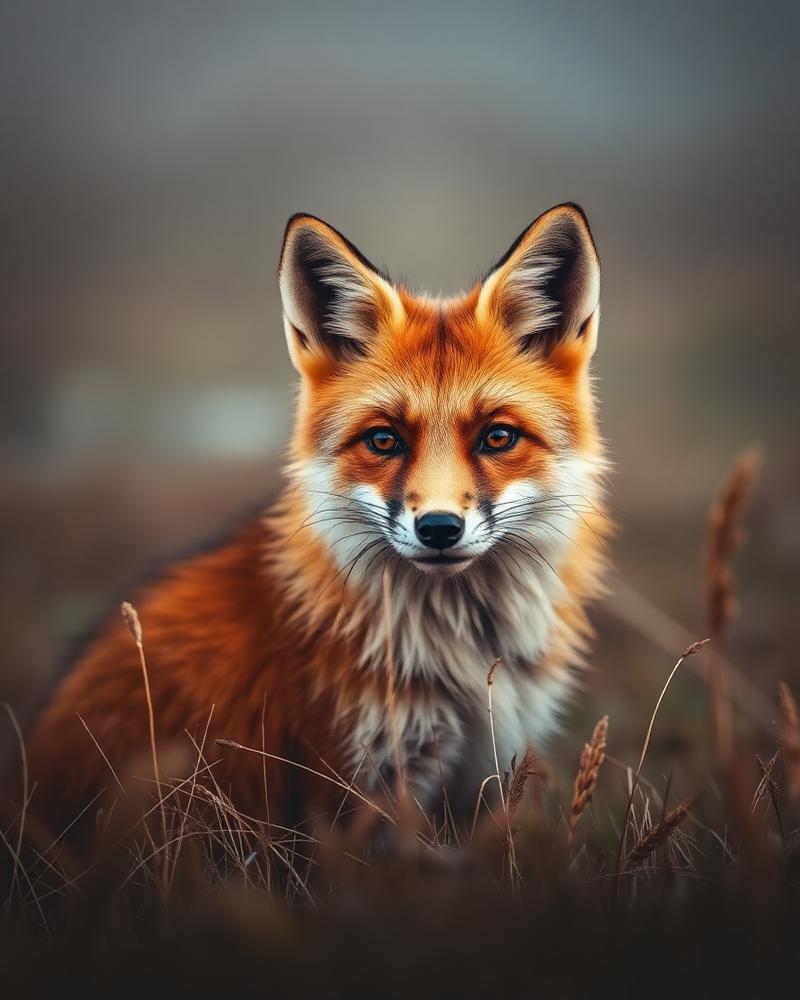
A red fox on the tundra near Grant Point.
One of the most vital wetlands in the Northern Hemisphere — where almost the entire Pacific population of black brant pauses on its way south.
Read about the Lagoon →The Great Migration
Each fall, more than 150,000 Pacific brant gather here, joined by emperor geese, cackling geese, and tundra swans in numbers that obscure the sky.
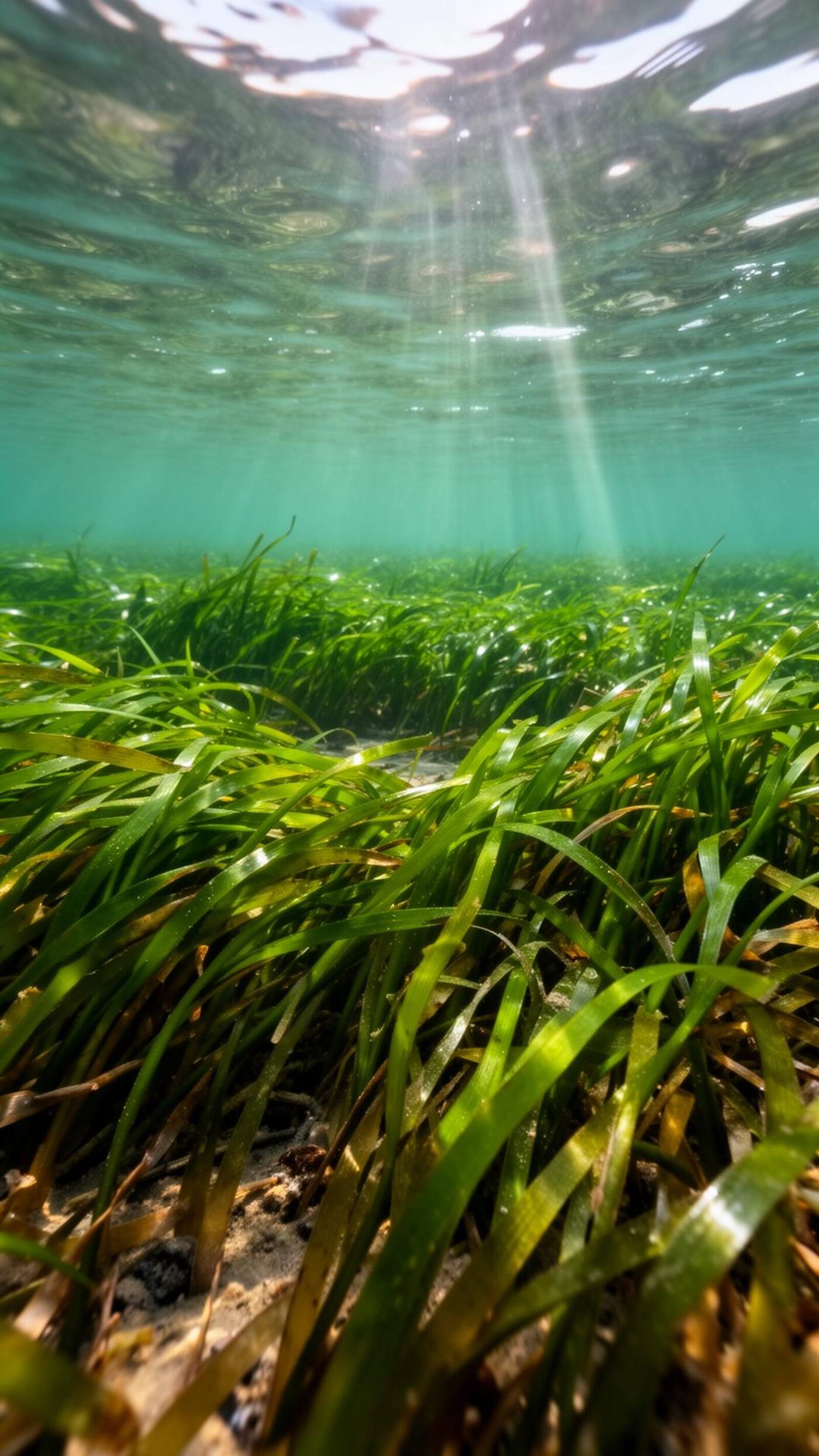
Eelgrass Forests
Beneath the surface lies one of the largest eelgrass beds on Earth — the slow-growing meadow that feeds the entire migration.
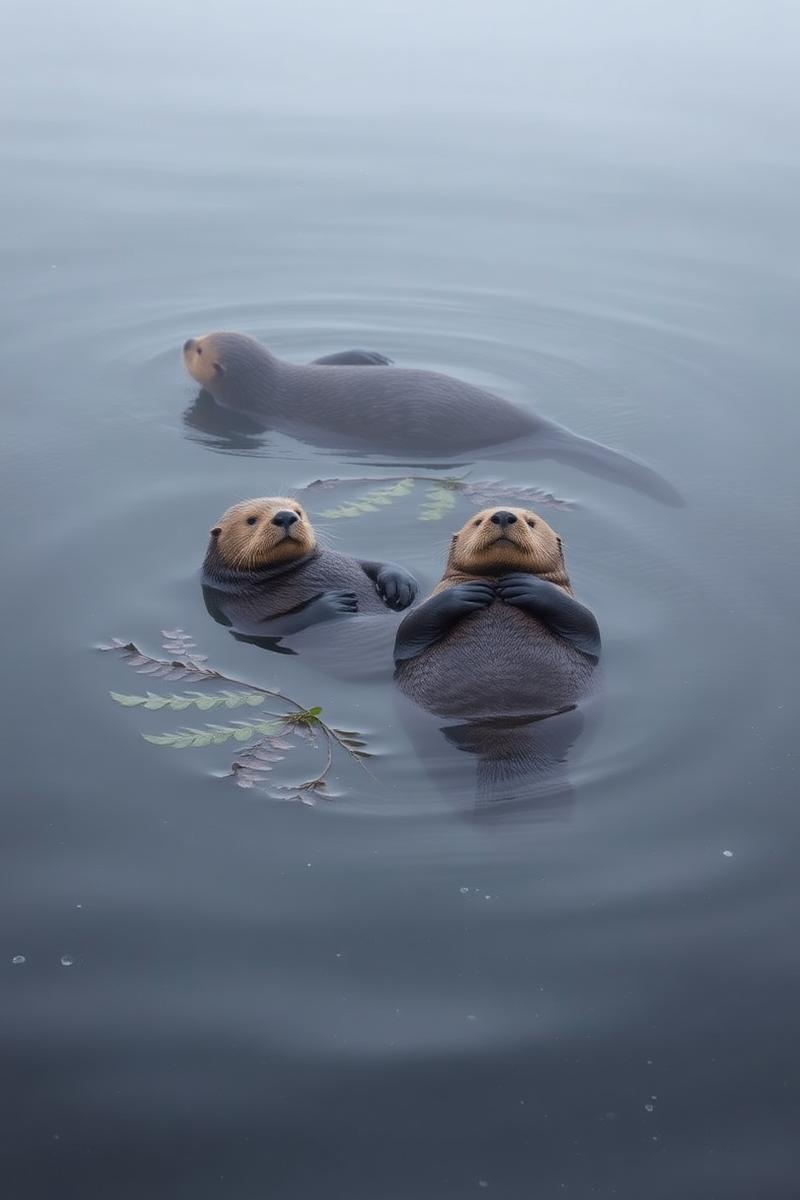
The Marine Frontier
Sea otters, harbor seals, orcas, and gray whales pass through the cold currents at the edge of the Bering Sea.
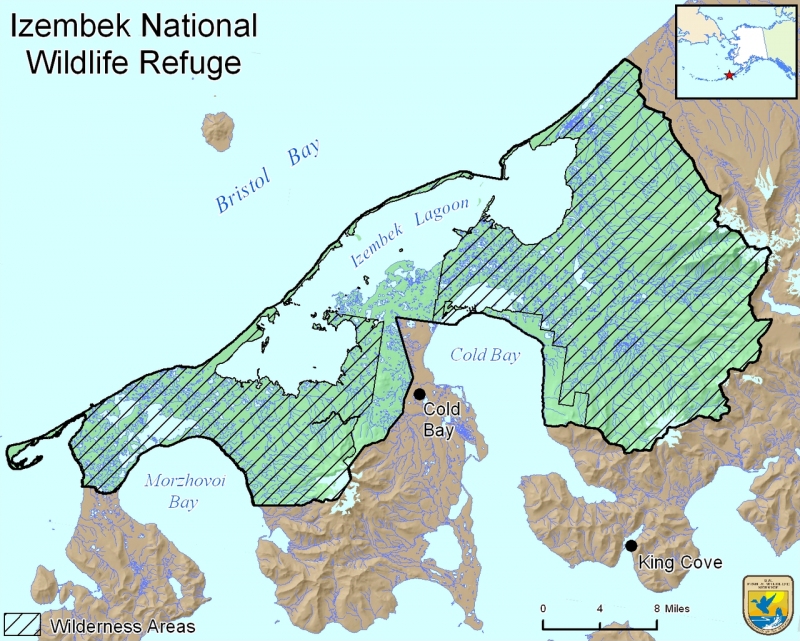
Cold Bay sits on a narrow neck of the Alaska Peninsula, with Izembek Lagoon and Bristol Bay to the north and the Bering Sea coast to the south. Nearly everything visible on this map — 315,000 acres of it — is the Izembek National Wildlife Refuge.
Source: U.S. Fish & Wildlife Service.
A morning at Grant Point can turn into a procession of brown bears along the salmon stream, a red fox watching from the ridge, sea otters resting in the kelp, an orca breaking the gray surface offshore. Nothing here is staged. Everything is patient.
Pacific Brant
Branta bernicla nigricans
Emperor Goose
Anser canagicus
Brown Bear
Ursus arctos
Red Fox
Vulpes vulpes
Sea Otter
Enhydra lutris
Tundra Swan
Cygnus columbianus
Caribou
Rangifer tarandus
Gray Whale
Eschrichtius robustus
Fall
Sept — Oct
The peak. Hundreds of thousands of brant and waterfowl stage on the lagoon. Cold mornings, gold afternoons, the loudest silence you will ever hear.
Summer
Jun — Aug
Long days, wildflowers across the tundra, salmon in the streams, bears on the beaches. The most forgiving weather for refuge-road exploring.
Winter
Nov — Mar
For those who want the volcano in snow and the lagoon in slate gray. Few visitors. Total quiet. The Aleutian wind as your only company.
Step out of a small plane onto a gravel-rimmed runway. The wind hits first. Then the silence.
Coffee with the rangers at the Izembek visitor station. Maps, weather, bear sightings, the kind of quiet briefing that maps an entire day.
Twelve miles of one-lane road across the tundra toward Grant Point. Stop wherever a fox crosses, an eagle circles, a horizon opens.
Hot tea on a ridge above Izembek Lagoon. Watch the brant lift, settle, lift again. Try to count. Stop counting.
Walk a beach no one has walked in days. Volcanic rock, kelp, sea glass, whale bone, the steady sound of cold water.
The light goes gold, then violet, then keeps going. You realize you have not spoken in hours.
Cold Bay rewards the prepared. A few decisions — how you arrive, what you pack, how you move around bears — settle most of the trip before you ever leave home.
Getting In
Alaska Airlines flies from Anchorage in about 1h 45m. The Alaska Marine Highway ferry calls monthly in season — slower, but the coastline is the point.
What to Pack
Hardshell for wind and rain, wool base layers even in summer, waterproof boots, binoculars. Weather changes by the hour on the peninsula.
Bear Country
Brown bears use the same beaches and salmon streams you will. Take the refuge bear briefing, carry deterrent, make noise, never travel quietly alone.