Tundra
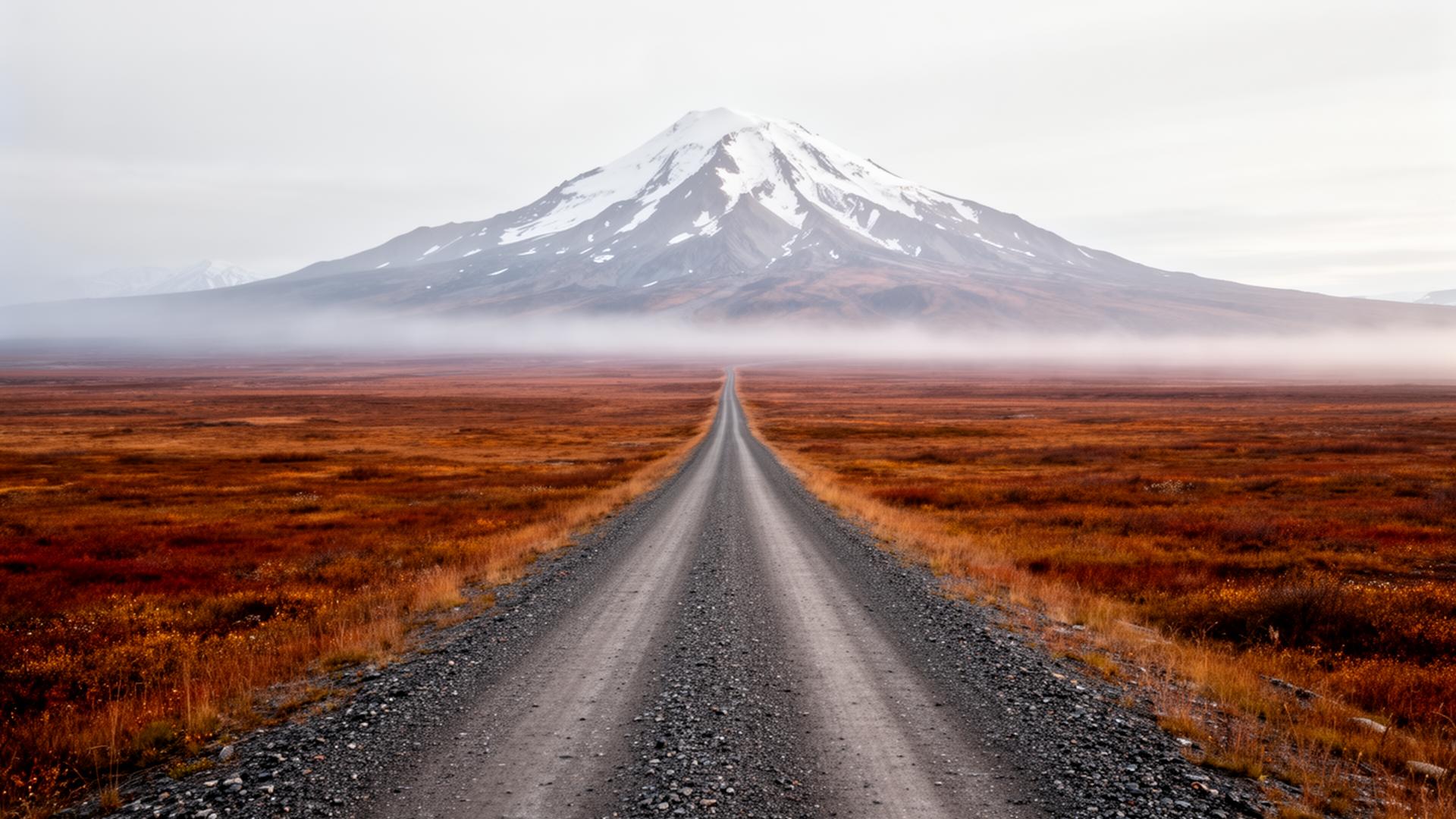
Low willow, crowberry, dwarf birch — a textured carpet that turns gold in September and silver by October.
01 — The Refuge
Izembek National Wildlife Refuge is 310,000 acres where the Alaska Peninsula narrows into the Bering Sea — and where the pavement, the phone signal, and the crowd all end.
Izembek was the first wildlife refuge in America to be designated wilderness under the Wilderness Act. Today, more than 97% of its surface is protected at the highest level — no roads, no buildings, no power lines. Just the lagoon, the tundra, the volcanic spine, and the long Aleutian wind.
The refuge protects a meeting point of three ecosystems — the Bering Sea, the North Pacific, and the high tundra of the peninsula. The result is an abundance that almost no one sees, because almost no one comes.
Low willow, crowberry, dwarf birch — a textured carpet that turns gold in September and silver by October.
Frosty Peak rises 5,800 feet from the sea, snow-capped most of the year, often disappearing into Aleutian cloud.
Shallow, brackish, vast — one of the largest contiguous eelgrass beds on Earth and the engine of the migration.
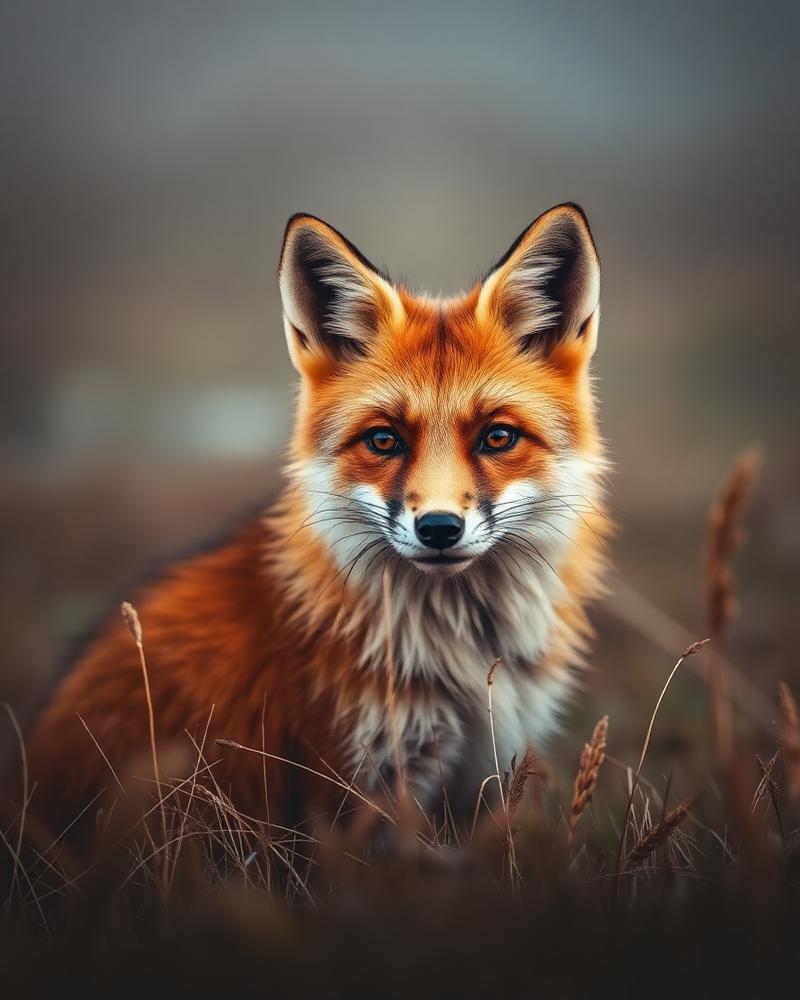
There is no entrance gate. There is no fee. There is a small refuge office staffed by people who know every fold of the coast and will tell you, plainly, where the bears were this morning and where the lagoon is loudest.
Take a map. Take water. Tell someone where you're going. Then go.
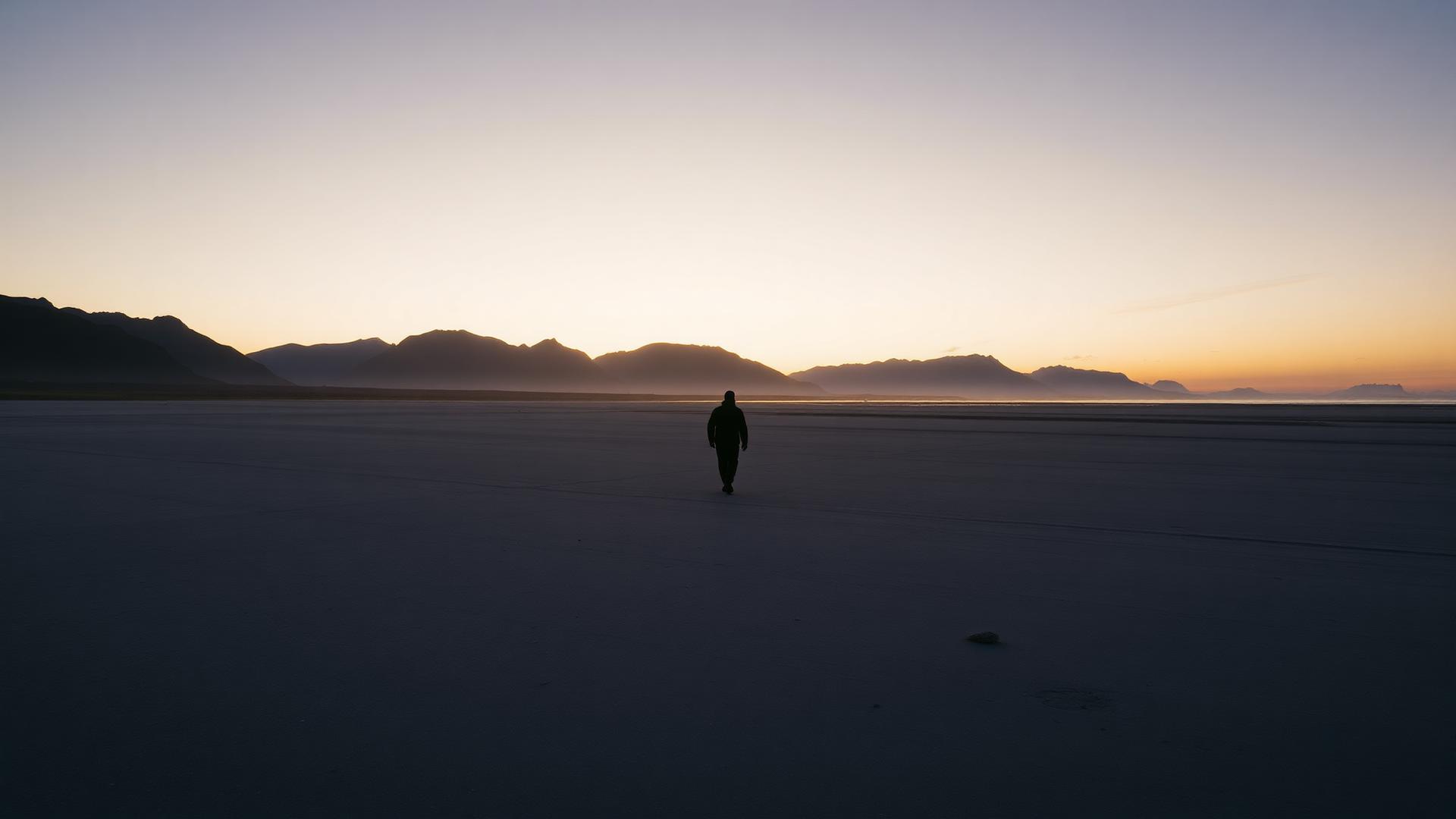
"It is the kind of quiet you feel in your sternum."
Into the Lagoon →