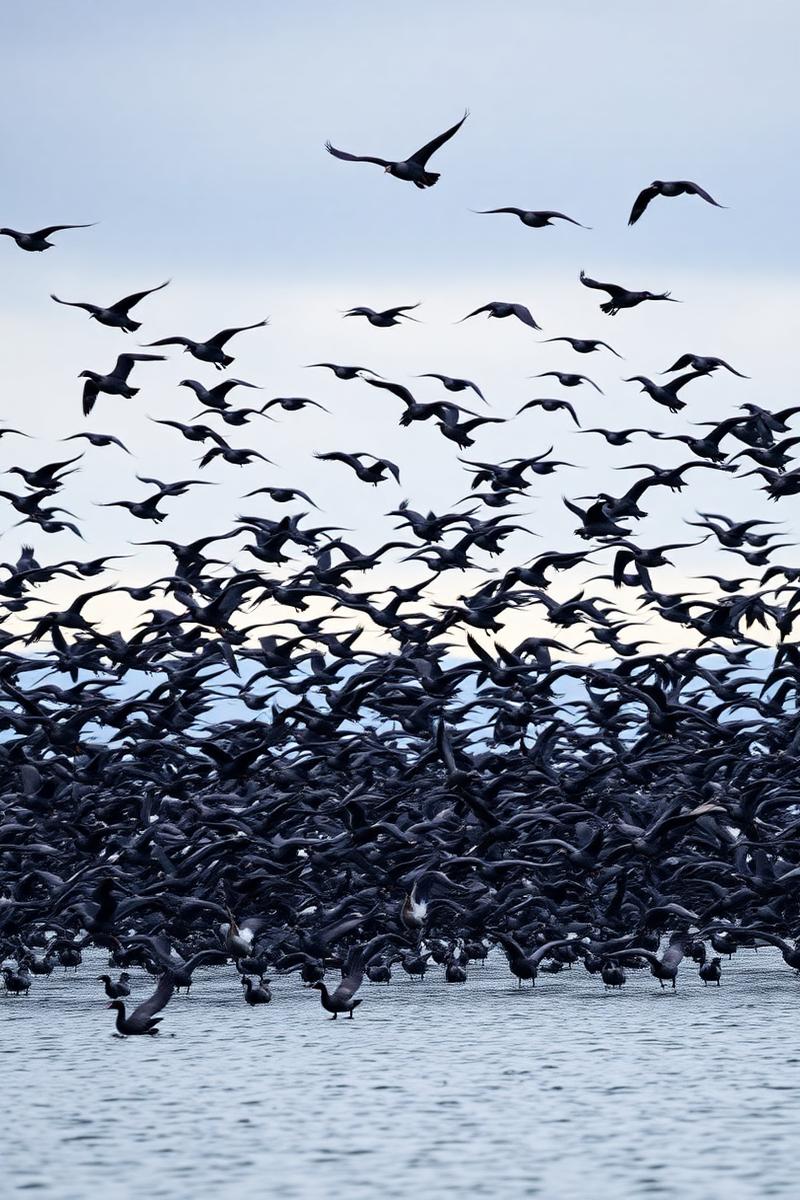
The Brant
Black brant — Branta bernicla nigricans — gather in the tens of thousands. They lift, swirl, settle. The sky thickens, thins, thickens again.
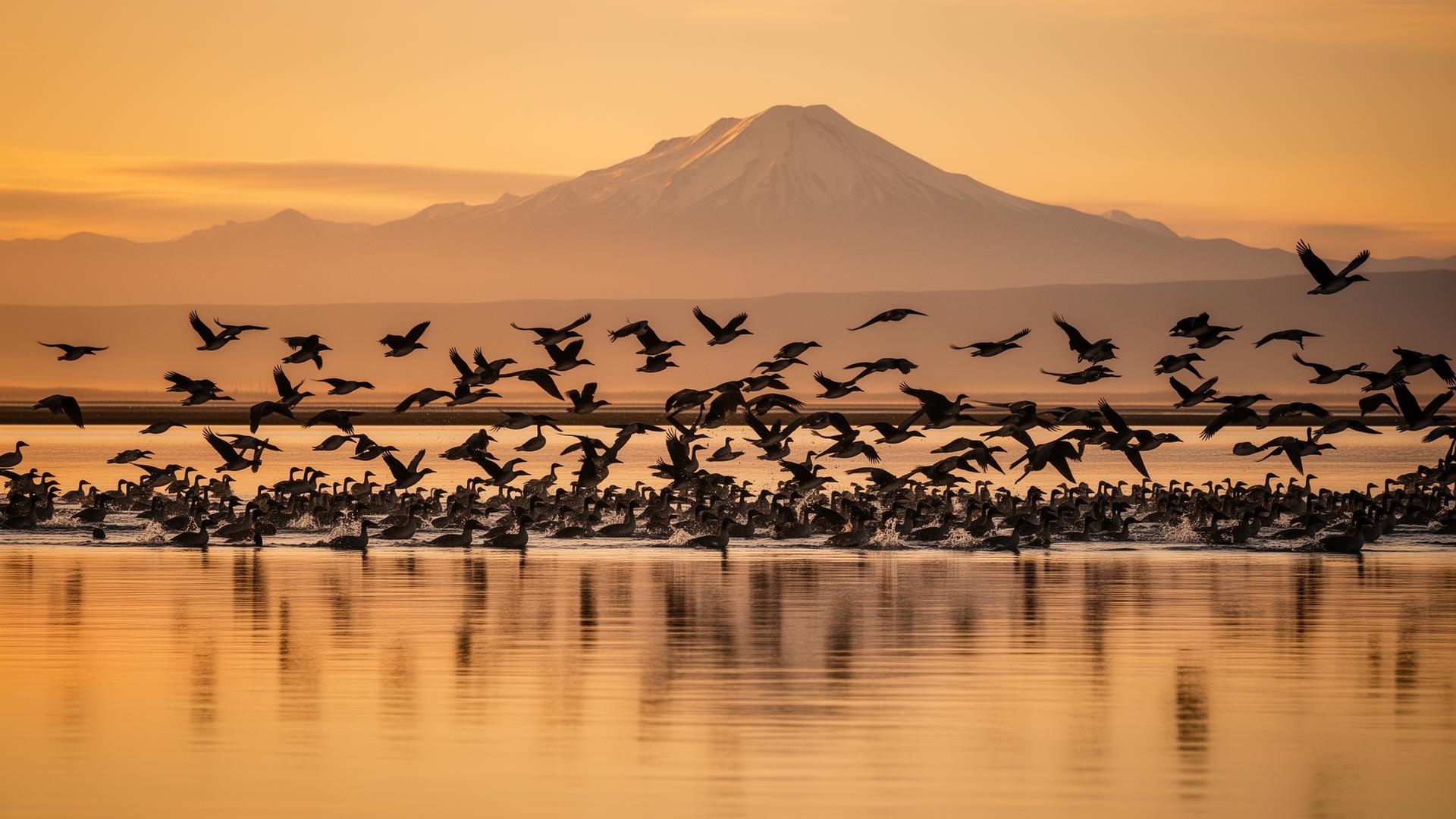
02 — Izembek Lagoon
Almost the entire Pacific population of black brant pauses here each fall, fueling on eelgrass before crossing open ocean to Mexico in a single non-stop flight.
Izembek Lagoon stretches roughly 40 miles along the Bering Sea coast, never deeper than your shoulders. Beneath its surface lies one of the largest eelgrass beds on Earth — slow-growing, salt-loving, and absolutely critical to a migration that touches three continents.
Designated a Ramsar Wetland of International Importance in 1986 — the first in the United States — Izembek is not just beautiful. It is structurally necessary to species that have used it for ten thousand years.
150k+
Pacific Brant
98%
Of the species, here
10k yrs
Of continuous use
The Brant
Black brant — Branta bernicla nigricans — gather in the tens of thousands. They lift, swirl, settle. The sky thickens, thins, thickens again.
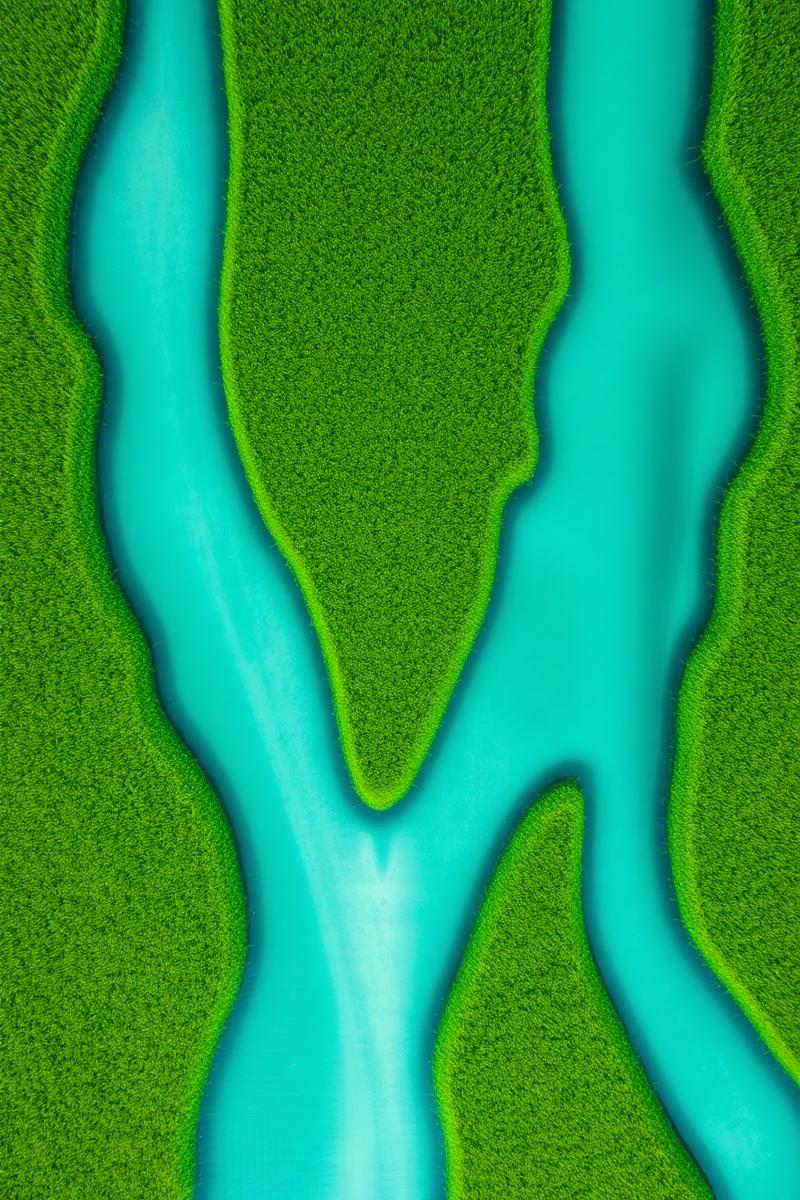
The Eelgrass
Beneath the calm surface, a meadow grows on the seabed. It cleans the water, holds the sediment, and feeds an entire hemisphere of migrating birds.
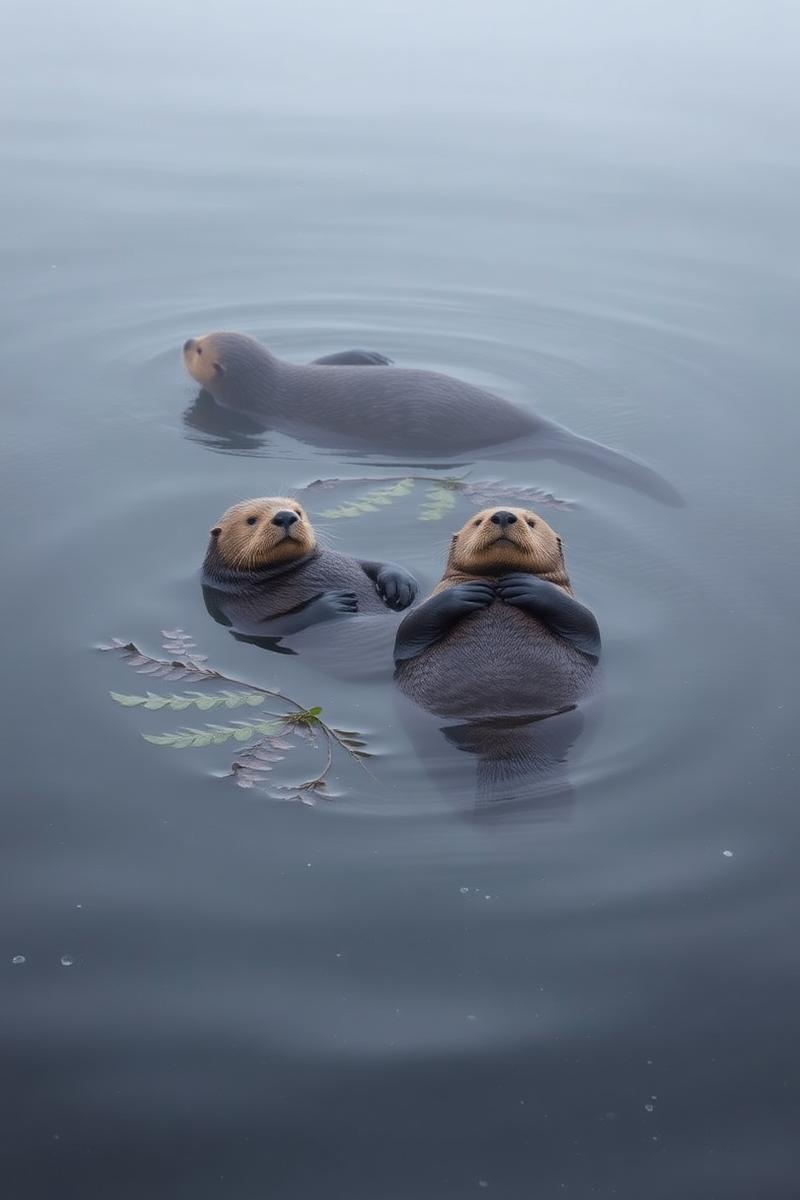
The Marine Life
Sea otters, harbor seals, salmon, halibut, occasional gray whales and orcas moving through the channel that opens to the Bering Sea.
Twelve miles of one-lane gravel road from town to the Grant Point overlook. Slow is the only speed that works.
Bring layers and binoculars. The lagoon performs on its own schedule. Patience is the only ticket.
When the brant lift in unison, the air itself sounds like surf. Cameras rarely catch it. Memory does.