The refuge does not have a high season and a low season. It has four distinct refuges, one per quarter of the year, each with its own light, its own animals, and its own kind of silence.
Fall
September — October
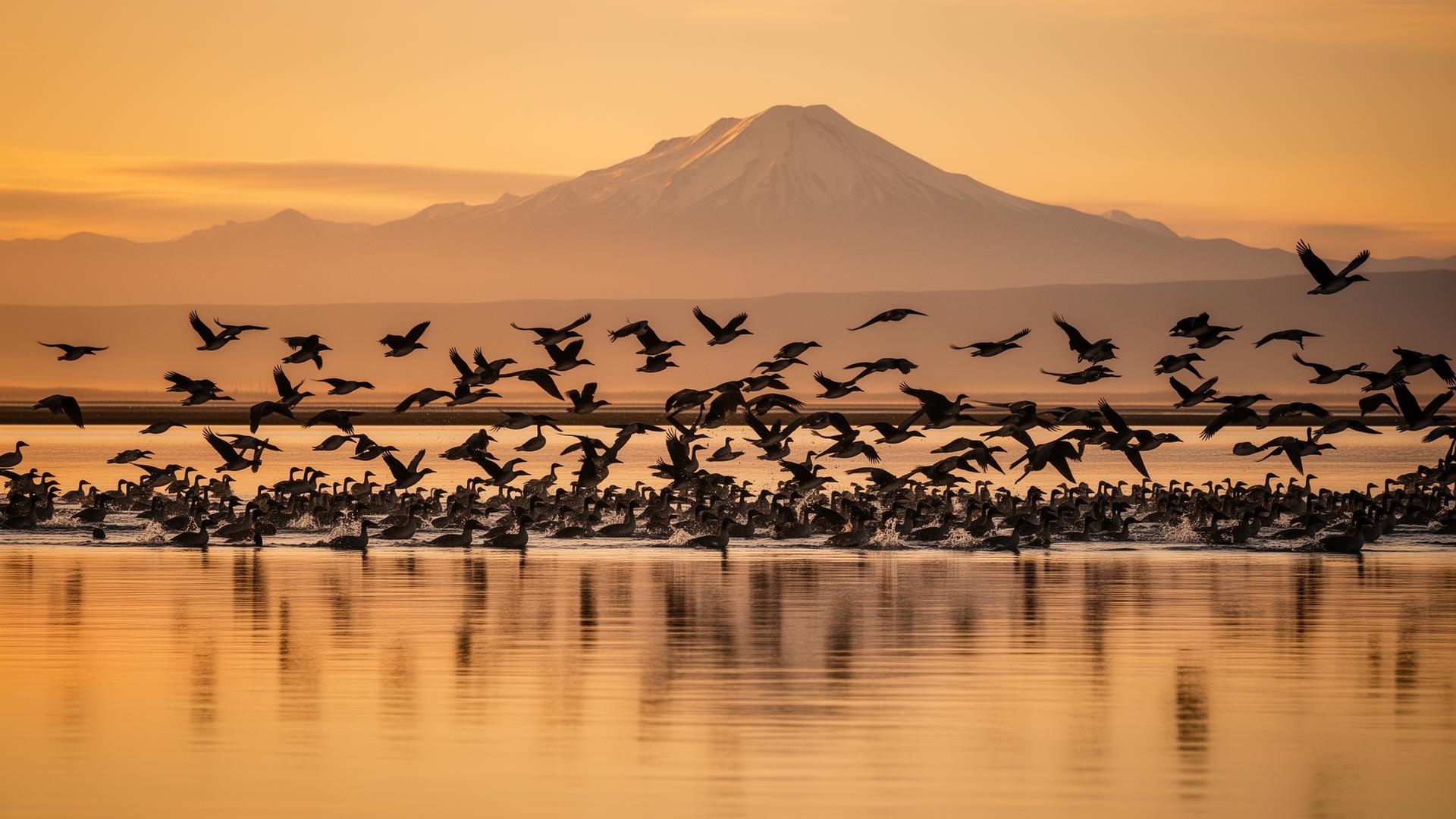
The Great Migration
The peak. Nearly the entire Pacific population of brant — plus emperor geese, cackling geese, and tundra swans — stages on the lagoon. Cold clear mornings, gold afternoons, the loudest silence you will ever hear.
Daylight
10h → 6h
Temp
28°F – 45°F
Why
Migration. The reason most people come.
Summer
June — August
The Long Light
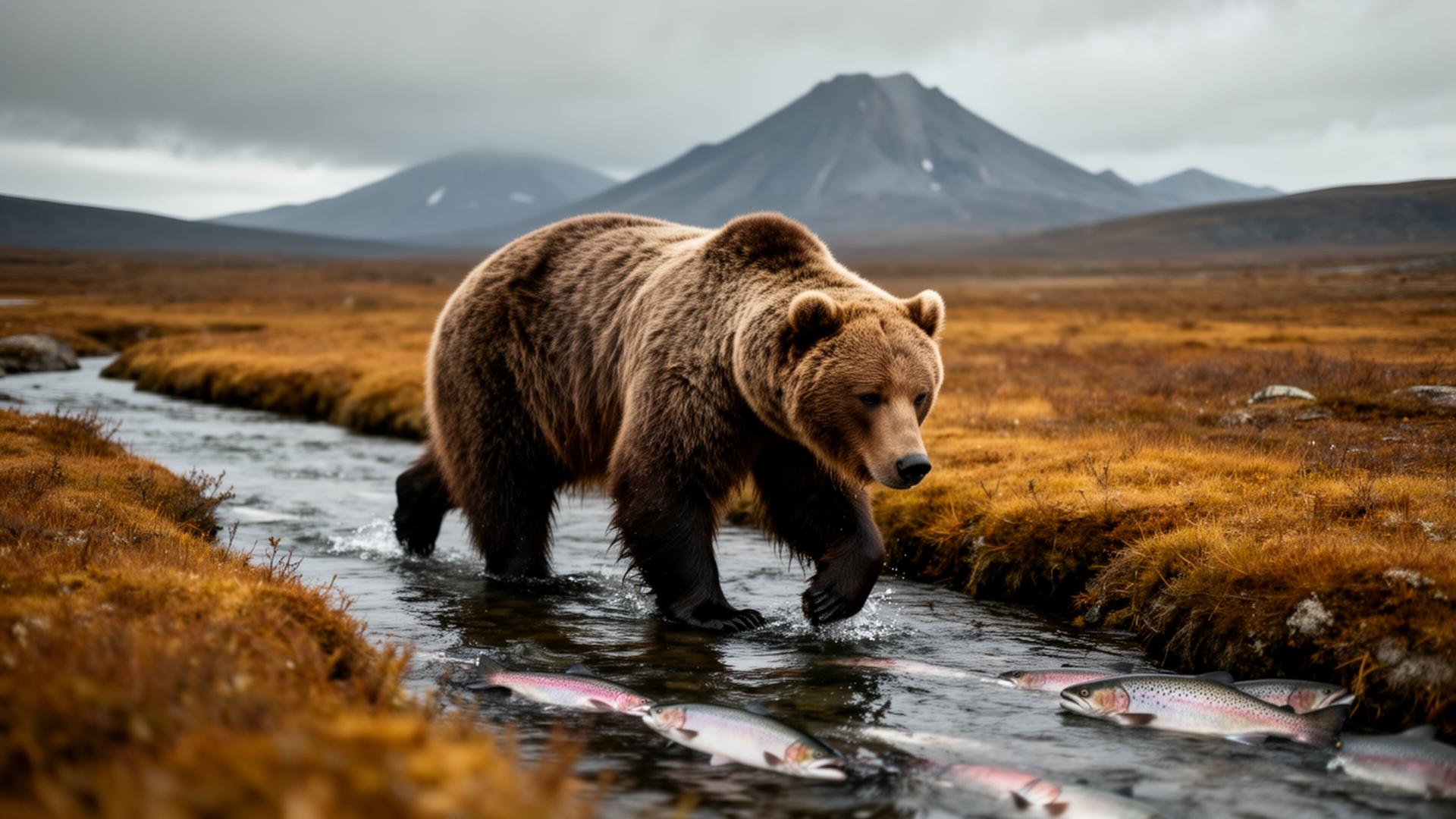
Wildflowers across the tundra, salmon in the streams, bears working the beaches. The most forgiving weather window — gray often, but rarely cruel — and 17+ hours of usable daylight.
Daylight
16h – 18h
Temp
45°F – 60°F
Why
Bears, wildflowers, sea otters, gentle weather.
Spring
April — May
The Return
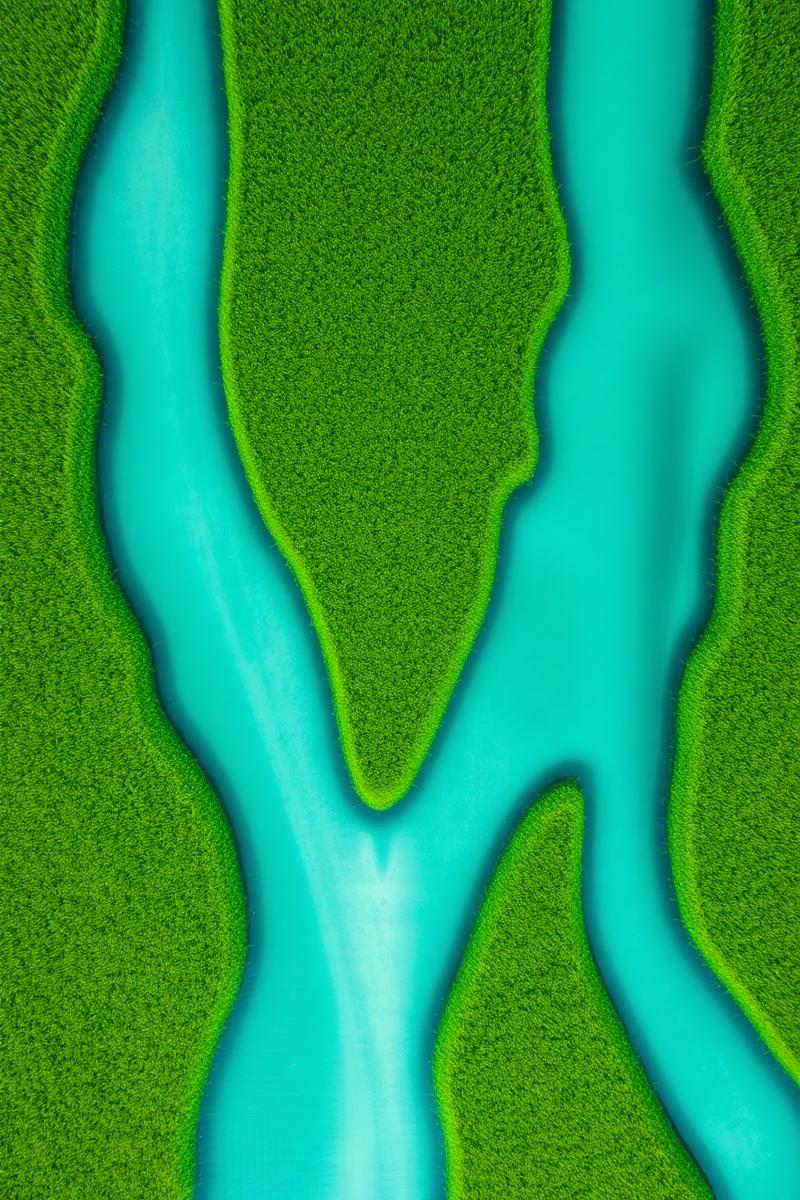
The birds come back first. The light gets long fast. Storms still arrive without warning, but so do the first emperor geese and tundra swans. A quiet shoulder season for those who want the refuge to themselves.
Daylight
13h – 16h
Temp
30°F – 45°F
Why
Northbound migration. Few visitors. Snow still on the peaks.
Winter
November — March
The Solitude
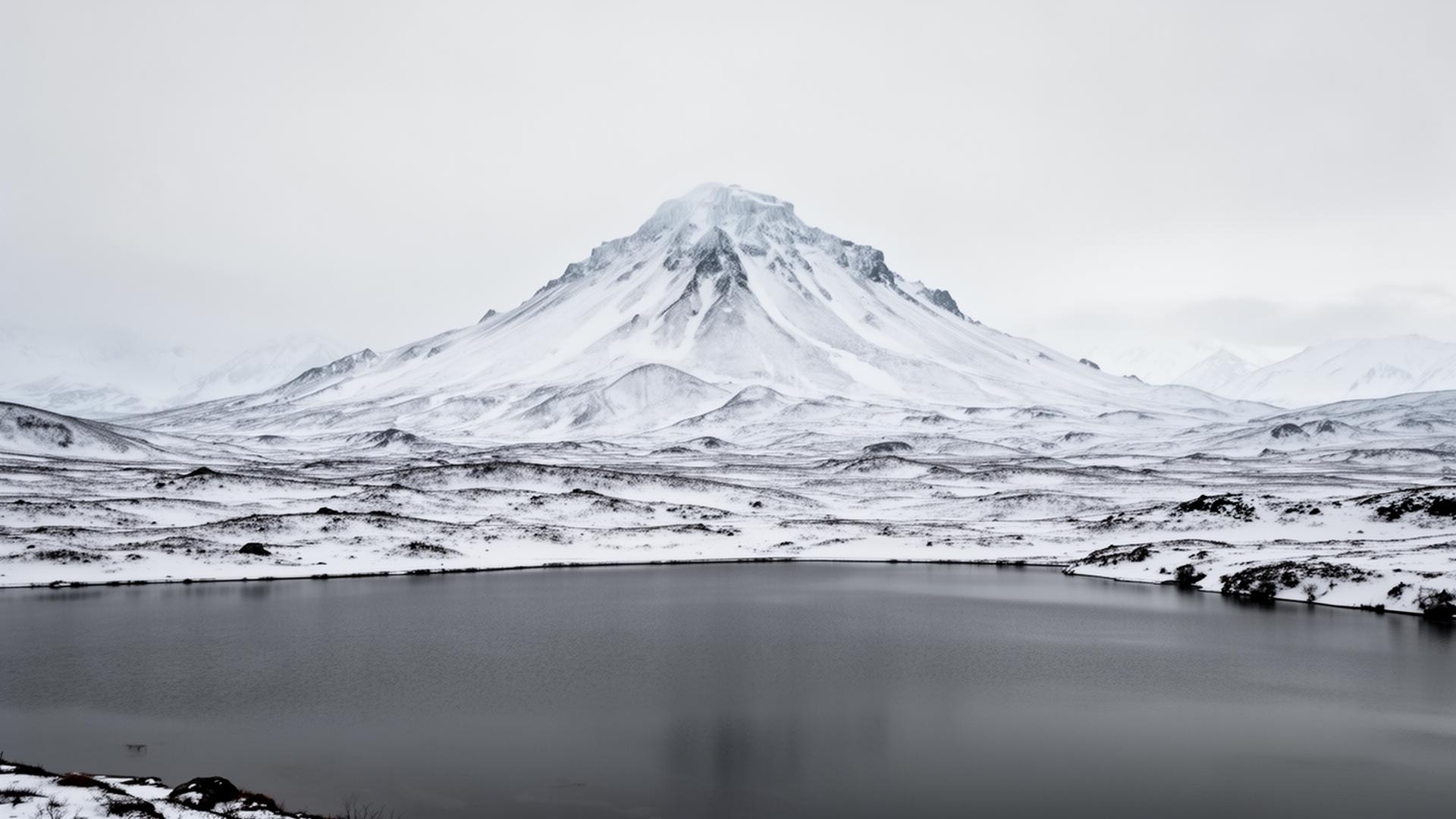
For those who want the volcano in snow and the lagoon in slate gray. Few visitors. Total quiet. The Aleutian wind as your only company, and Frosty Peak rising white above the village.
Daylight
6h – 10h
Temp
10°F – 30°F
Why
Snow. Stillness. The refuge at rest.
If You Can Only Come Once
Come in late September. Bring more layers than you think you need.